Hydrogen-compatible pipe fittings for the energy infrastructure of tomorrow
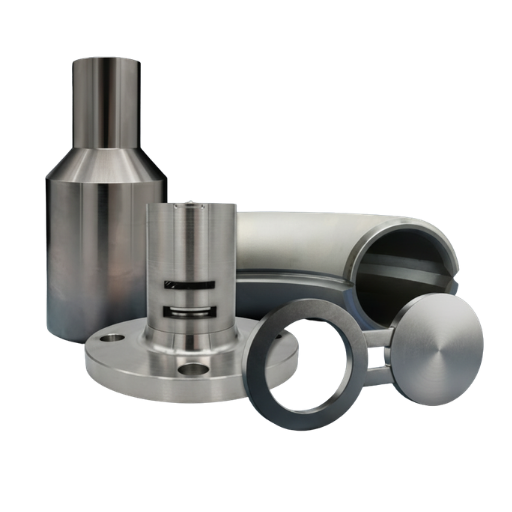
For H₂ pipelines, electrolysis and power-to-X, we supply elbows, tees, reducers, flanges and special parts in hydrogen-compatible materials – designed to the applicable codes and fully documented.
What makes a pipe fitting hydrogen-compatible?
In short: A pipe fitting is hydrogen-compatible when material, heat treatment and processing are selected so that hydrogen embrittlement is controlled under operating conditions, the joints remain permanently tight and suitability is verified to the applicable code.
Hydrogen allows no compromises: material, microstructure and tightness decide whether a pipeline stays safe for decades. That is why we select every material for the specific project and document every test.
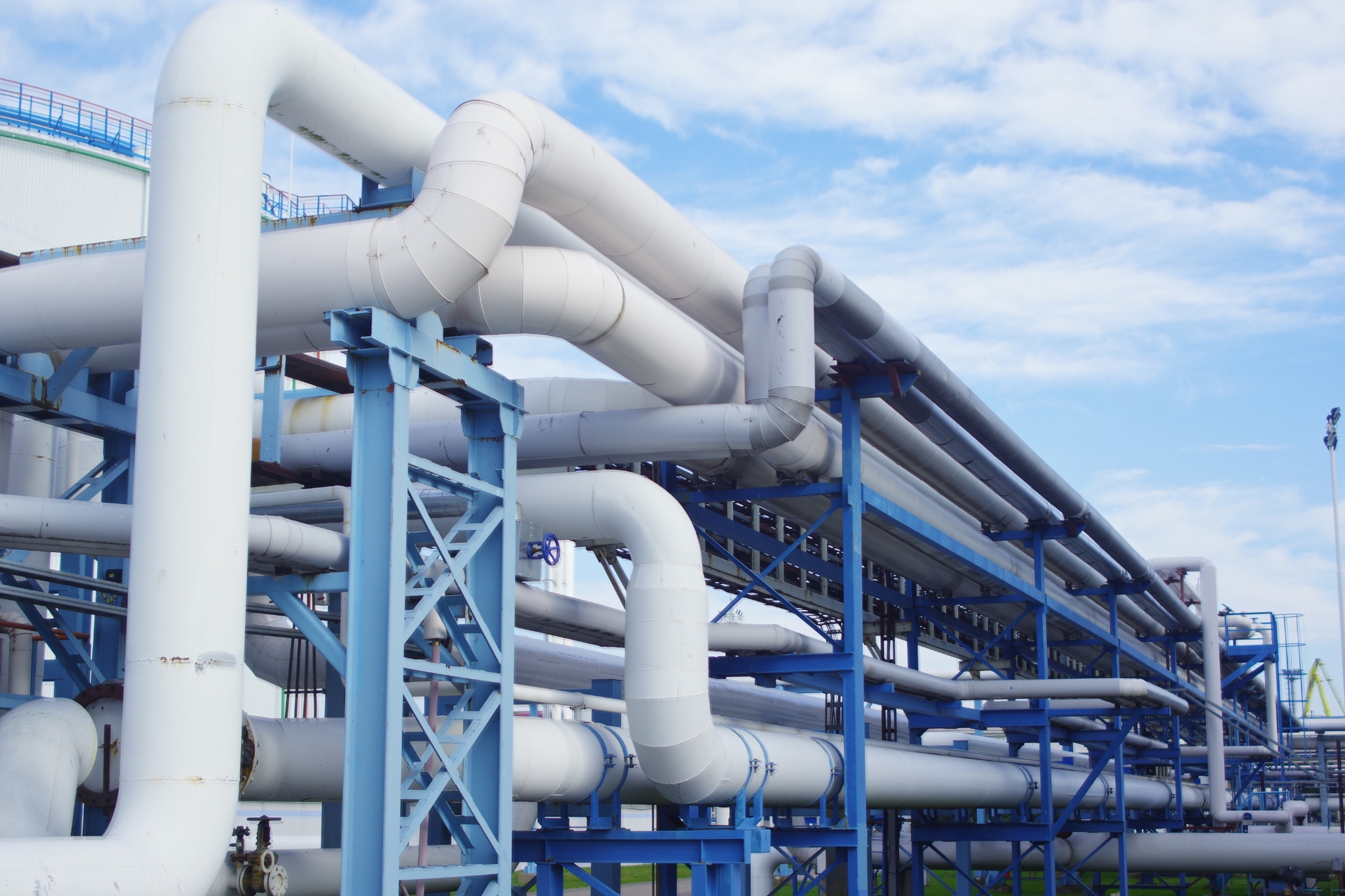
Material & microstructure
- Hydrogen embrittlementHydrogen penetrates the metal lattice and can reduce toughness – Material and microstructure must match the pressure and temperature.
- Pressure & temperatureTransport and storage take place under high pressure – components must be designed and verified accordingly.
Joints & verification
- Tightness & weldsEven the smallest leaks are safety-critical – dimensionally accurate weld ends and tested joints are mandatory.
- Codes and standardsASME B31.12, EN 13480, AD 2000 and Pressure Equipment Directive 2014/68/EU. We manufacture the fittings to EN 10253 and ASME B16.9.
Hydrogen pipe fittings at a glance
- Products
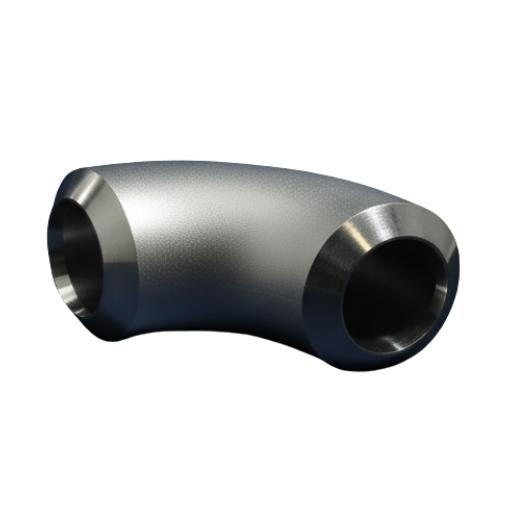
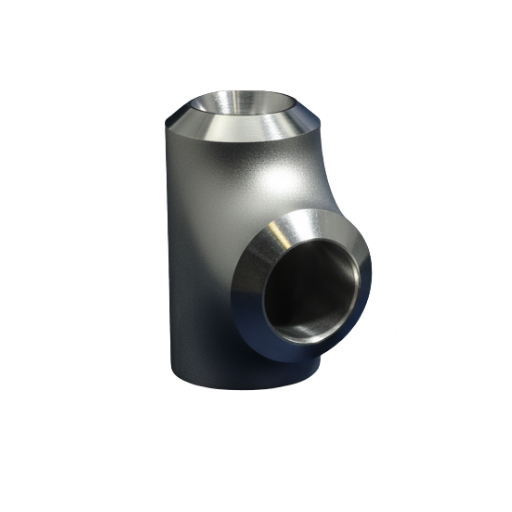
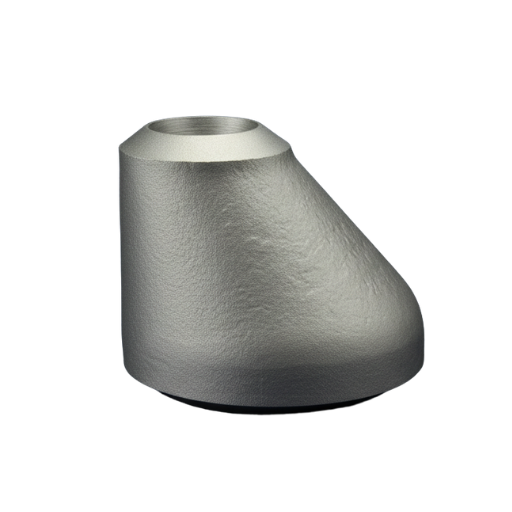
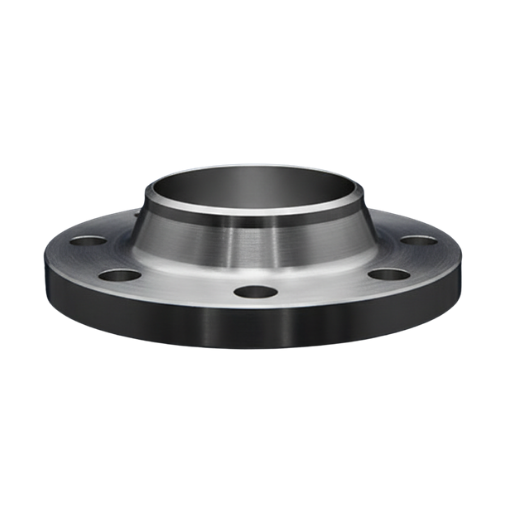
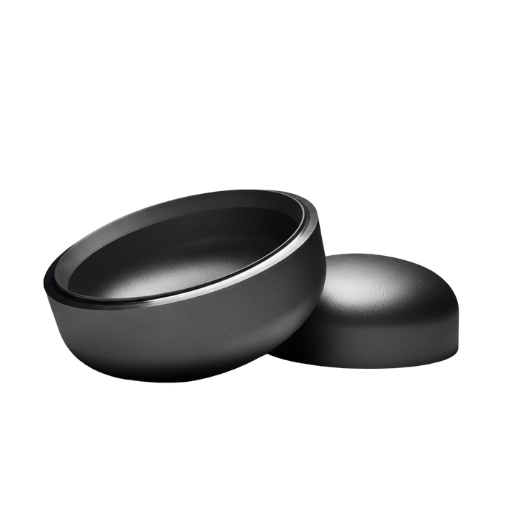
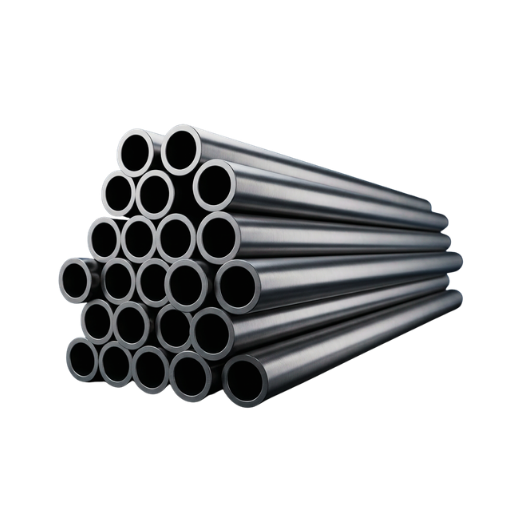
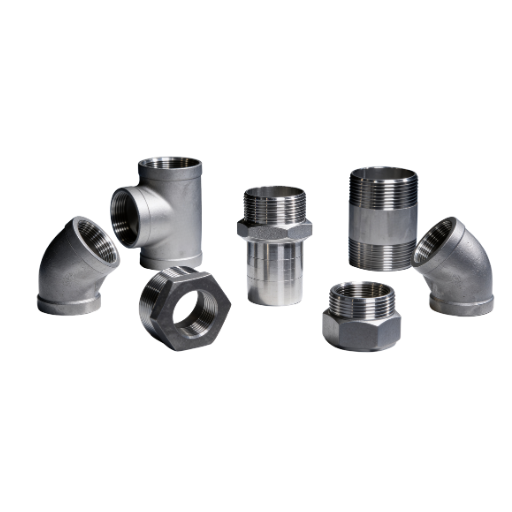
- Elbows, Tees, Reducers, Flanges, Pipe caps, Pipes, Special parts and drawing parts, Accessories
- Standards
- Fittings to EN 10253 and ASME B16.9 · flanges to EN 1092-1 and ASME B16.5
- Codes and standards
- ASME B31.12, EN 13480, AD 2000, Pressure Equipment Directive 2014/68/EU
- Dimensions
- Seamless elbows up to DN 600, tees up to 610 mm outside diameter – all common nominal sizes and wall thicknesses
- Materials
- Austenitic stainless steels, low-alloy steels, duplex, nickel alloys – selected for each project
- Testing
- NDT (UT, RT, PT, MT), PMI, leak and pressure testing, HIC testing as required
- Certificates
- EN 10204 3.1 / 3.2 · Quality management system to ISO 9001 and AD 2000
- Applications
- Electrolysis, compression, pipelines and distribution networks, storage, power-to-X, H₂ refuelling stations
From production to end use
Our pipe fittings are used wherever hydrogen is produced, compressed, transported, stored or used.
- 01
Production
Electrolysis and steam reforming
- 02
Compression
Compressor stations and high-pressure lines
- 03
Transport
Pipelines, distribution networks and grids with H₂ blending
- 04
Storage
Storage systems for gaseous and liquid hydrogen
- 05
End use
Power-to-X (PtH₂, PtAmmonia, PtMethanol) and H₂ refuelling stations
Hydrogen pipeline material selection
Not every steel is suitable for hydrogen – especially at higher pressures and temperatures. Austenitic stainless steels show low susceptibility to hydrogen embrittlement, low-alloy steels are suitable depending on pressure, and duplex and nickel alloys cover aggressive and extreme conditions. Materials are selected for each project based on pressure, temperature, medium and the applicable code.
Austenitic stainless steels
- 1.4404
- 1.4435
- 1.4571
- 1.4301
- 1.4307
Low-alloy steels
- L245
- L360
- P355NL
Duplex and special materials
- 1.4462
- 1.4410
Nickel alloys
- Alloy 625 / 2.4856
- Alloy 825 / 2.4858
Pipe fittings for your H₂ project
Tested and documented
Manufacturing and testing within our quality management system to ISO 9001 and AD 2000. Every test is documented with a certificate to EN 10204 (3.1 / 3.2) – for hydrogen projects on request with a project-specific inspection and test plan.
- Inspection certificate 3.1 / 3.2
- UT · RT · PT · MT
- PMI
- Leak and pressure testing
- HIC test reports on request
- Third-party inspection: TÜV, SGS, customer
- Project-specific ITP
More industries and projects
Nirotec supplies pipe fittings for industrial piping systems worldwide – including these industries.
FAQ on hydrogen-compatible pipe fittings
What makes a pipe fitting hydrogen-compatible?
A pipe fitting is hydrogen-compatible when material, heat treatment and processing are selected so that hydrogen embrittlement is controlled under operating conditions, the joints remain permanently tight and suitability is verified and documented to the applicable code – such as ASME B31.12. Pressure, temperature, purity and physical state of the hydrogen are decisive.
Which materials are suitable for hydrogen pipelines?
The preferred choice is austenitic stainless steels such as 1.4404, 1.4435 and 1.4571 with low susceptibility to hydrogen embrittlement. Low-alloy line pipe steels such as L245, L360 or P355NL are suitable depending on pressure, with HIC testing if required. For aggressive or chloride-containing environments, duplex steels (1.4462, 1.4410) are used, and for extreme applications nickel alloys such as Alloy 625 and Alloy 825. Materials are always selected for the specific project.
Which codes apply to hydrogen piping?
ASME B31.12 governs hydrogen pipelines and piping, and EN 13480 applies to industrial piping in Europe, supplemented by AD 2000 and the Pressure Equipment Directive 2014/68/EU. We manufacture the pipe fittings themselves to EN 10253 and ASME B16.9.
Does Nirotec supply pipe fittings for converting natural gas networks to hydrogen?
Yes. For grids with H₂ blending and for converting existing pipelines, we supply pipe fittings in suitable materials. Whether existing pipeline components can continue to be used is assessed by operators and experts based on the material data – we support this with material certificates and documentation.
Which tests and certificates do I receive?
Inspection certificates to EN 10204 3.1 or 3.2, non-destructive testing (UT, RT, PT, MT), PMI and leak and pressure tests. HIC test reports, third-party inspection by TÜV, SGS or customer inspectors and project-specific ITPs are available on request.
What information do you need for a quotation?
Medium and physical state (gaseous or liquid), design pressure and temperature, applicable code, component and dimensions (DN / NPS, wall thickness or schedule), material, quantity and requested delivery date, as well as the required documentation. Alternatively, simply send us your drawing or parts list.
Last updated: October 2026
Request your hydrogen project
Pressure, temperature, medium, code and quantity are all we need – or simply send us your drawing or parts list. We support you with material selection and code compliance and supply the required documentation.


